28 V 2026 Kristina Sessa (Ohio State University), Disaster at Scale: Experiencing Ruinous Events in Late Antiquity
This talk examines how men, women, and children in Late Antiquity responded to the material, social, and cultural contingencies of disasters on different scales of time, space, and social organization. ...
Czytaj więcej

21 V 2026: Giulia Rossetto (University of Vienna), The Sinai Palimpsests and Their Contributions to the Study of Late Antique Greek Scripts and Texts
Most of the written heritage of Late Antiquity survives thanks to the diligent copying of Byzantine scribes. Paradoxically, some texts endure for the opposite reason: their attempted erasure. These occur ...
Czytaj więcej
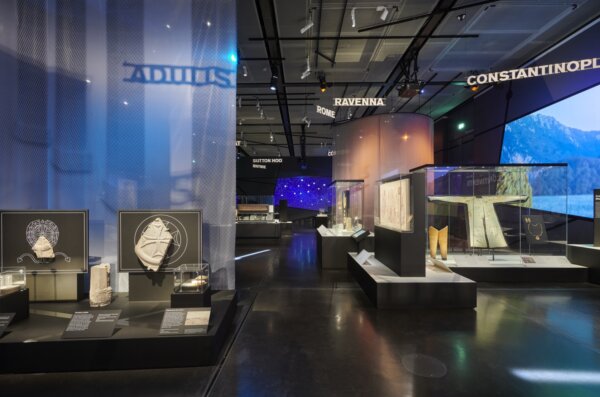
14 V 2026: Elisabeth R. O’Connell (British Museum), From Byzantium to Aksum: Displaying the Red Sea port of Adulis at the British Museum
In his 25 September 1868 report to the Trustees of the British Museum (BM), Augustus Wollaston Franks announced the arrival of fragments of marble excavated from the ruins of a ...
Czytaj więcej
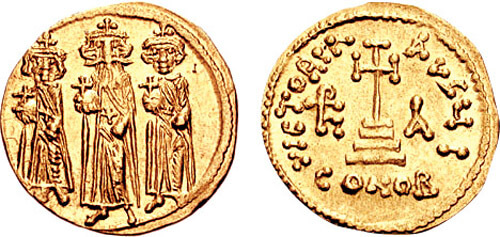
7 V 2026: Mischa Meier (University of Tübingen), Jerusalem under Heraclius (610-641): Christians, Jews, Muslims, and the End of the World
The lecture deals with the city of Jerusalem under Emperor Heraclius (610-641) as a focal point of intense apocalyptic expectations among Jews, Christians, and early Muslims. It argues that three ...
Czytaj więcej

30 IV 2026: Anastasiia Liakhovich (UW), Between Languages, Landscapes, and Power: Linguistic Strategies of Naming Space in Middle Byzantine and Medieval Armenian Hagiography
This paper explores how Middle Byzantine Greek and medieval Armenian hagiographies use linguistic strategies and narrative devices to create imaginary geographic worlds. Moving beyond the view of landscape as a ...
Czytaj więcej

23 IV 2026: Maria Mossakowska-Gaubert (CNRS, Orient et Méditerranée / UW), Silk in Late Antique Egypt: Texts and Textiles
Throughout antiquity, silk fabrics were a luxury commodity and a marker of social status due to their high cost. They probably first appeared in the eastern Mediterranean at the end ...
Czytaj więcej