11 XII 2025: Paweł Nowakowski (UW) Thinking in Greek and Thinking in Aramaic: How Languages Foster Unique Ways of Processing and Expressing Thought in Late Antique Epigraphy
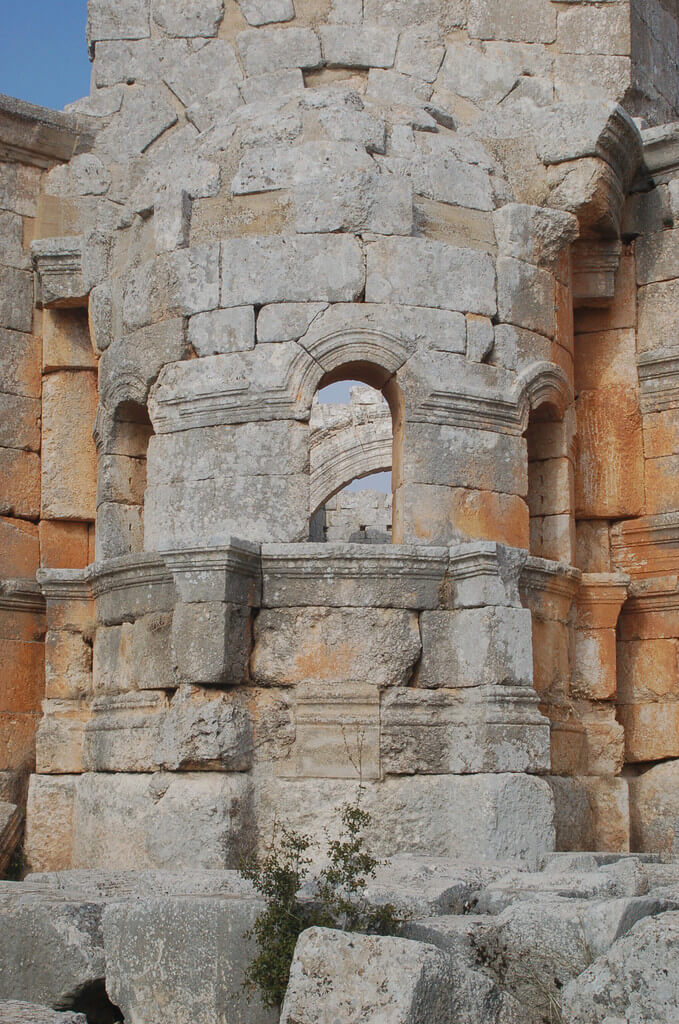
In my paper, I will present some considerations for a book chapter on the choice of language in the epigraphical practice of late antique Roman Syria. Due to time constraints, I will focus my talk on one aspect of the chapter: the characteristic textual features of Greek and Syriac inscriptions. However, it is important to note that multilingualism and language contact are much broader phenomena, further complicated in epigraphy by aspects such as the association of certain languages with material features of script design and support execution, as well as the intra-linguistic diversification of languages by the domains of their use and the influence of regional and spoken varieties on the language of monumental commemoration. I will begin with a study of bilingual texts, then move on to evidence drawn from clusters of monolingual texts in different languages in one area. For this, I will also propose a theoretical framework. I will ask why synchronic texts displayed next to each other in Greek and Syriac, which were most likely designed by the same persons or within the same communities, use different conceptual approaches to express specific information, depending on the choice of the language.